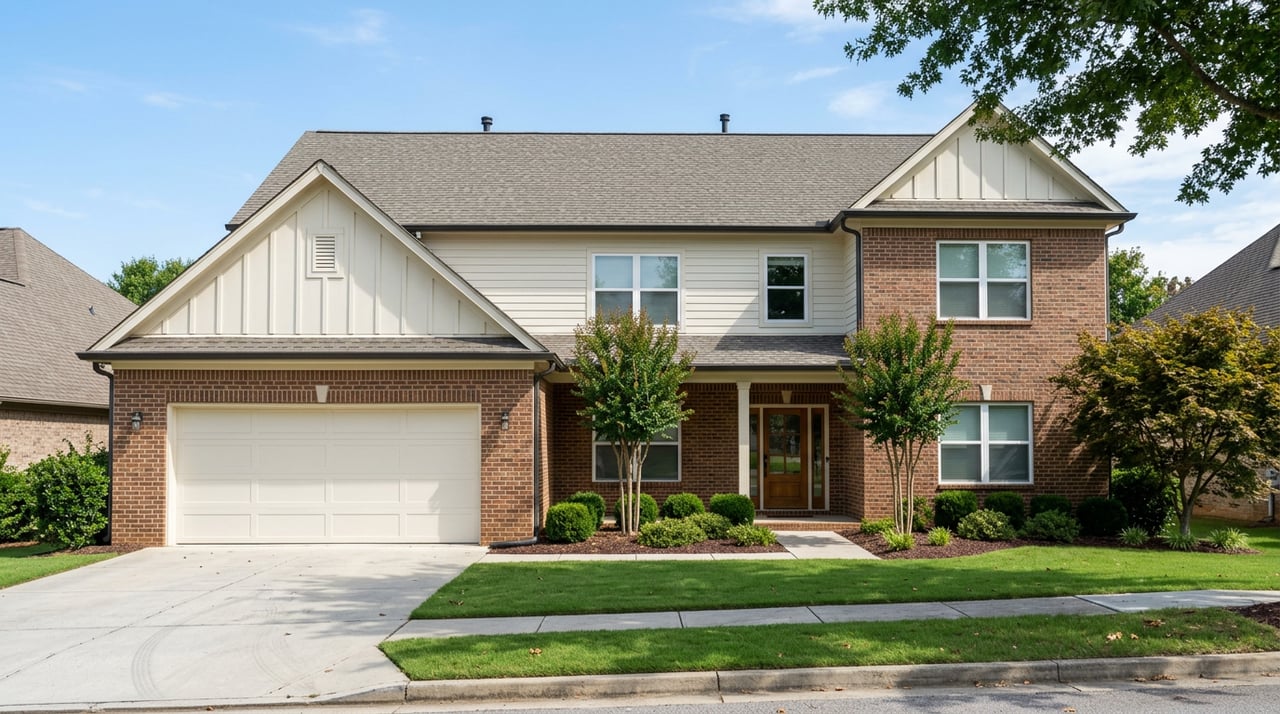
If you are thinking about selling your home in Clayton County, one of the first questions you probably have is simple: how long will this take? The honest answer is that most sales do not happen overnight, and your timeline can shift based on pricing, preparation, and what happens once you go under contract. The good news is that when you understand the typical steps ahead of time, you can plan with more confidence, avoid common delays, and move through the process with less stress. Let’s dive in.
What to Expect in Clayton County
In Clayton County, home sales usually move at a moderate pace rather than a same-week sprint. Recent market trackers show homes going pending or selling in roughly 49 to 73 days, depending on the source and the way each platform measures market time. According to Zillow’s Clayton County market data, current pricing and timing trends suggest sellers should plan for several weeks of exposure before receiving an offer.
That matters because a realistic timeline helps you make smarter decisions about moving, repairs, budgeting, and your next purchase. A practical planning range for a financed home sale in Clayton County is often about 2.5 to 4 months from prep to recording, not because every sale is the same, but because the timeline usually includes prep time, marketing time, contract-to-close time, and final closing steps.
Pre-Listing Prep Usually Takes 1 to 3 Weeks
Before your home goes live, there is important work to do behind the scenes. This stage often takes 1 to 3 weeks, although it can take longer if your home needs repairs, deep cleaning, or more extensive updates.
This is the stage where you and your agent build the foundation for the rest of the sale. That usually includes pricing, decluttering, cleaning, touch-ups, staging decisions, professional photography, and collecting key paperwork. If you rush this phase, it can affect your photos, your first impression online, and even how long your home sits on the market.
For pricing, recent comparable sales matter. Georgia’s PT-61 transfer tax system is one official source of transfer-related sales data and can help support pricing research alongside local MLS information.
What Happens During Prep
Most sellers use this time to focus on:
- Home pricing and valuation
- Minor repairs and maintenance
- Cleaning and decluttering
- Staging or furniture adjustments
- Photography and listing preparation
- Gathering documents for the sale
If you are selling on a tight timeline, this is the phase where strong planning can save you time later. A clean, well-prepared home often helps reduce buyer objections once showings begin.
Listing and Showings Often Take Several Weeks
Once your home hits the market, the next phase is attracting buyers and generating offers. In Clayton County, this usually means several weeks of showings and market exposure, not just a few days.
The first few weeks are especially important because buyers are comparing your home against other available properties. They are looking closely at price, condition, photos, and overall value. If your home is priced well and shows well, you may gain traction sooner. If not, your timeline can stretch.
Recent data also shows why pricing strategy matters. Zillow reports that a notable share of Clayton County homes had price drops, while some sold above list price, which points to a market where the right pricing strategy can influence speed and outcome. You can review those broader county trends in Clayton County housing data from Zillow.
Why Some Homes Move Faster
A home may move faster when:
- The list price reflects current market conditions
- The property is clean and easy to show
- Photos make a strong first impression
- Repairs are already handled
- Buyers see clear value compared with similar homes
A home may take longer when:
- It is priced above what buyers expect
- Condition issues create hesitation
- Showing access is limited
- The property needs negotiation-heavy repairs
Under Contract Often Means About 30 More Days
Getting an offer is a major milestone, but it is not the finish line. Once you accept an offer, your sale moves into the contract phase, which often takes about 30 days to close for a financed transaction.
The National Association of Realtors reported a median of 30 days to close in its December 2025 survey. That same report also noted that delayed settlements still happen, with some delays tied to appraisal issues and other contract conditions. You can see those findings in the NAR Realtors Confidence Index report.
During this phase, the buyer is usually completing inspections, final loan steps, and appraisal requirements. This is also when repair requests, renegotiations, or financing questions can affect the schedule.
Common Steps After You Accept an Offer
Once you are under contract, the transaction often includes:
- Buyer inspection period
- Repair negotiations, if needed
- Appraisal ordered by the lender
- Buyer loan underwriting and final approval
- Title and closing preparation
- Final scheduling for signing and transfer
Even when a contract looks solid, this stage requires active coordination. Clear communication and realistic expectations can help keep the deal moving.
Closing Week Has Important Final Steps
The last stretch is shorter, but it is still important. Federal mortgage rules require the borrower to receive the Closing Disclosure at least three business days before closing. According to the Consumer Financial Protection Bureau, this review period is part of the standard closing process for many financed sales.
In Georgia, there is also a transfer tax requirement before the deed can be recorded. The Georgia Department of Revenue rule, as summarized in the research source above, sets the tax at $1 for the first $1,000 of the sale price plus 10 cents for each additional $100, and the seller is generally responsible unless the contract says otherwise.
This means your final week often includes document review, signing coordination, transfer tax handling, and recording. Even after you have mentally “sold” the house, there are still a few important boxes to check.
What Can Slow Down a Home Sale
The biggest timeline problems usually start with one of three issues: pricing, repairs, or appraisal. These are the points where many transactions either stay on schedule or begin to drift.
If the home is overpriced from day one, you may lose valuable momentum during the first weeks on the market. If the inspection reveals problems, repair negotiations can add time. If the appraisal comes in low, the buyer and seller may need to renegotiate or revisit financing terms.
NAR’s recent survey confirms that delayed settlements still happen in a normal market environment. That is why it is smartest to treat any selling timeline as a planning range, not a guarantee.
The Most Common Delay Points
- Overpricing at launch
- Deferred maintenance or repair issues
- Long inspection negotiations
- Low appraisal or appraisal review issues
- Buyer financing delays
- Scheduling conflicts near closing
A Simple Clayton County Timeline
If you want a practical way to think about the process, this is a solid planning framework for many financed sales in Clayton County:
| Phase | Typical Time Range |
|---|---|
| Pre-listing prep | 1 to 3 weeks |
| On market before contract | Several weeks, often 49 to 73 days directionally |
| Under contract to close | About 30 days |
| Final disclosure review and closing steps | At least 3 business days before closing, plus signing and recording |
Every sale is unique, but this framework gives you a realistic starting point. It also shows why early preparation matters so much. A strong launch can shorten the overall timeline more than almost anything that happens later.
How to Prepare for a Smoother Sale
If you want to keep your timeline as efficient as possible, focus first on the steps you can control. The cleaner and more organized your pre-listing process is, the better your chances of attracting serious buyers quickly.
A few smart moves can make a real difference:
- Start pricing discussions early
- Handle small repairs before listing
- Declutter before photos are scheduled
- Make showing access as easy as possible
- Prepare for inspections and negotiations in advance
- Build your moving timeline with extra cushion
If your situation is more complex, such as a time-sensitive move or financial stress, having a clear strategy matters even more. Problem-solving early can help reduce surprises later.
Why Local Guidance Matters
County-wide stats are helpful for planning, but they are still broad averages. Your actual selling timeline can vary based on your home’s condition, price point, location within Clayton County, financing type, and buyer demand at the time you list.
That is why local guidance matters. When you work with someone who knows Clayton County, understands neighborhood-level market patterns, and can help you navigate pricing, prep, negotiation, and closing details, you are in a better position to make informed decisions from start to finish.
If you are getting ready to sell and want a clear plan built around your home and timing goals, Latrice Mitchell can help you map out the next steps with local insight and hands-on support.
FAQs
How long does it usually take to sell a home in Clayton County, GA?
- A practical planning range is about 2.5 to 4 months from pre-listing prep to recording for many financed sales, although your exact timeline can vary.
What is the typical pre-listing timeline for a Clayton County home sale?
- Pre-listing prep often takes 1 to 3 weeks, and it may take longer if your home needs repairs, cleaning, or staging work.
How long does a home stay on the market in Clayton County?
- Current county-level trackers suggest homes often spend several weeks on the market, with reported timing ranges around 49 to 73 days depending on the source.
How long does closing take after accepting an offer in Clayton County?
- For many financed sales, the under-contract period is often about 30 days, though inspection, appraisal, or financing issues can extend that timeline.
What can delay a home sale in Clayton County, GA?
- The most common delay points are pricing strategy, inspection or repair negotiations, appraisal issues, and buyer financing delays.
What happens during the final closing week of a Clayton County sale?
- The final week usually includes Closing Disclosure review, signing, transfer tax handling, and recording, with the buyer receiving the Closing Disclosure at least three business days before closing in many financed transactions.