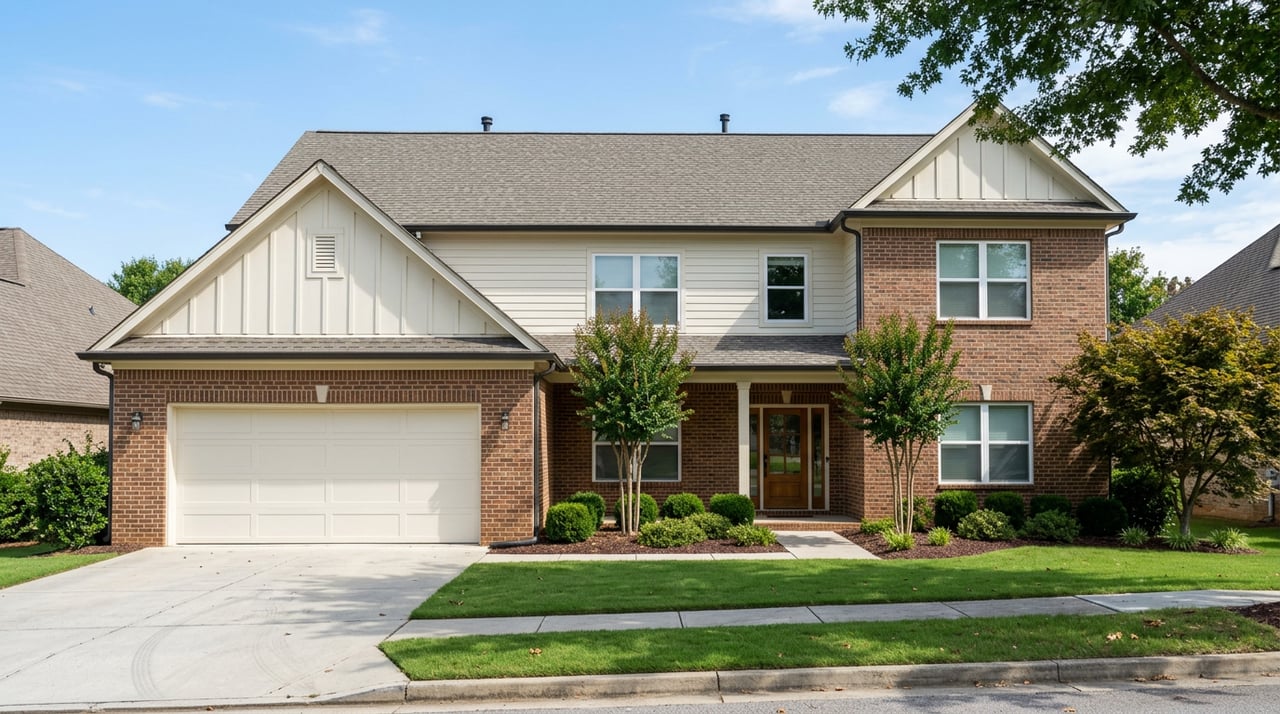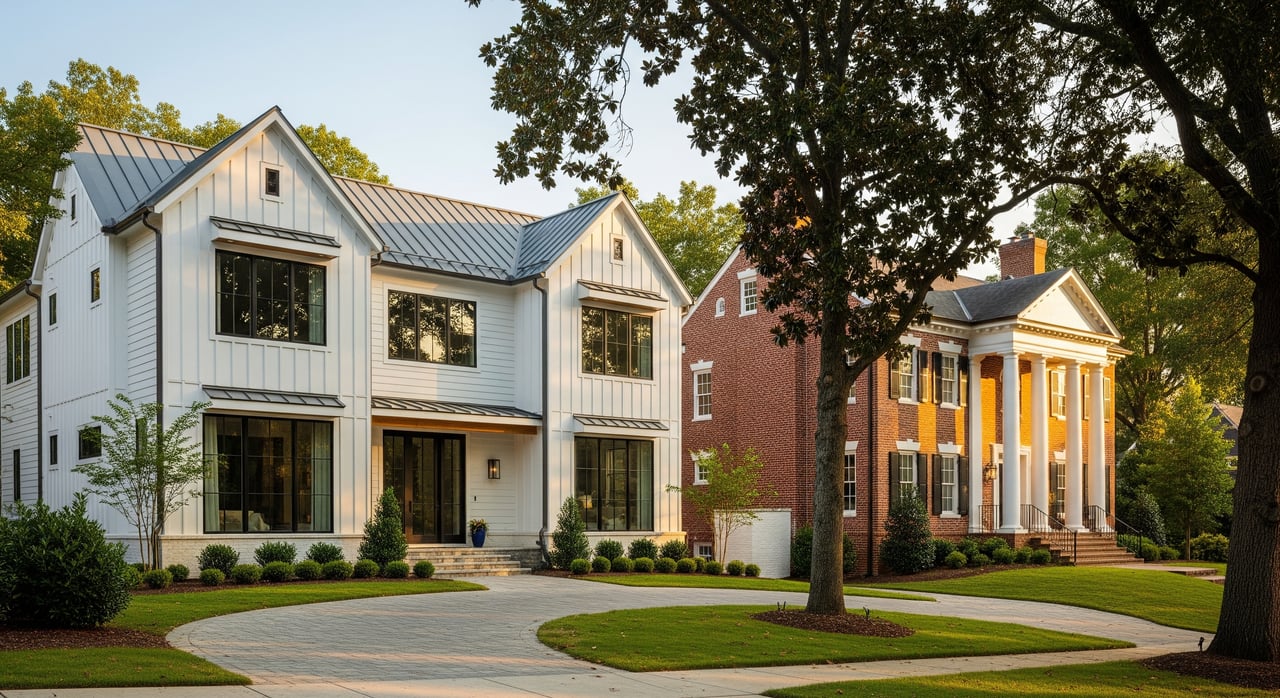
Are you torn between a shiny new build and a charming resale in Cobb County? You are not alone. Each option offers real benefits, and the right choice depends on your budget, timing, and how much work you want to take on after closing. In this guide, you will learn how new construction and resale homes compare on costs, timelines, warranties, inspections, and negotiation strategy so you can buy with confidence. Let’s dive in.
What affects total cost in Cobb County
When you compare new construction and resale, look beyond the list price. Your true cost includes upgrades, lot premiums, closing costs, taxes, HOA fees, energy use, and maintenance. New homes often carry a higher price per square foot because you are getting new systems and modern layouts. Resales can offer more room on price and come with mature landscaping, but older systems may need repairs or updates.
To get a clear picture, add up everything you expect to spend from day one through your first several years in the home. Focus on these line items:
- Base purchase price
- Lot premium for a preferred homesite (new construction)
- Upgrades and options, such as flooring, cabinets, counters, lighting, and landscaping (new construction)
- Closing costs and concessions, including any builder credits or seller-paid costs
- Property taxes and how reassessment timing may impact your bill
- HOA and amenity fees, plus any covenants that affect future costs
- Ongoing costs: energy efficiency, routine maintenance, and insurance
Resale homes may need renovation to match the finishes of a new build. Those upgrade dollars can quickly erase a perceived price gap. Builders may offset some of the new-home premium with closing cost assistance or rate buydowns, which you should compare against independent lender offers.
Create a 5- to 10-year worksheet
A multi-year view helps you understand value, not just price. Use the outline below to estimate your total cost of ownership for each option over 5 to 10 years.
| Cost item | New construction: what to check | Resale: what to check |
|---|---|---|
| Base price | Compare similar floor plans and locations | Compare recent comps for similar size and condition |
| Lot premium | Ask if the homesite carries a premium and why | Typically not applicable, but consider lot features |
| Upgrades/options | Get written allowances and pricing for selections | Estimate renovation costs to reach desired finishes |
| Closing costs | Review builder credits and conditions for incentives | Ask about seller-paid costs or credits |
| Taxes | Understand new assessment timing and impact | Review current tax history and reassessment triggers |
| HOA/amenities | Confirm fees, initiation, and what is included | Confirm fees, transfer charges, and amenities |
| Energy costs | New systems often lower near-term bills | Budget for older systems and insulation levels |
| Maintenance | Lower early maintenance on new systems | Plan for roof, HVAC, plumbing, or cosmetic updates |
Before you plug in numbers, verify local figures like median sale price, price per square foot, and average days on market using recent Atlanta-area MLS data or county sources. A careful, local comparison will give you the most accurate picture.
Timeline and process: new vs. resale
New construction follows a different path than a resale purchase, and timing depends on whether you buy a pre-sale or an inventory home.
- New construction lifecycle
- Lot reservation and contract signing
- Selections phase for finishes and options
- Construction milestones: foundation, framing, mechanical rough-ins, drywall, finishes
- Final walkthrough and punch list
- Certificate of occupancy and closing
Pre-sale builds often take several months, sometimes 4 to 12 or more, depending on builder backlog and scope. Spec or inventory homes can close much faster once complete, often in 30 to 90 days.
- Resale lifecycle
- Offer and negotiation based on recent comps
- Inspections and any agreed repairs or credits
- Mortgage underwriting and appraisal
- Closing, commonly 30 to 45 days from contract to close
If you need to move quickly, resales and finished inventory homes usually offer the fastest path. If you have flexibility, a pre-sale can give you more control over finishes and layout.
Inspections, appraisals, and financing
New builds receive municipal inspections at multiple stages, such as foundation, framing, and final. You should still hire an independent inspector; third-party inspectors often catch items outside the scope of municipal checks. For resales, schedule a general home inspection and any specialty inspections you need, such as roof, HVAC, termite, or septic.
Appraisals for new construction may rely on other new-build comps or builder pricing. In some cases, limited new comps can make appraisals more complex. Builders often offer credits or rate buydowns through preferred lenders. Review incentive conditions carefully, and always compare the full loan package to independent lender quotes to ensure total savings.
Loan types vary. A completed spec home may work with a standard mortgage. A pre-sale could involve a different structure, so confirm with your lender before you write the contract.
Warranties and quality assurance
Builder warranties are a key advantage of new construction. While terms vary, many builders follow common structures:
- About 1 year for workmanship and materials
- About 2 years for electrical, plumbing, and HVAC systems
- About 10 years for major structural defects
Always review the written warranty, including coverage limits, exclusions, claim deadlines, and dispute resolution. Ask who backs the structural coverage and how claims are handled.
Before closing, you will complete a final walkthrough to create a punch list for any items that need correction. Take photos, write clear descriptions, and request target completion dates. Whether you are buying new or resale, consider at least one independent inspection before closing.
Quality signals matter. Check builder reputation, warranty responsiveness, and licensing status. Confirm who handles municipal inspections and whether you will receive copies of the sign-offs.
Negotiation strategies that work here
Resale homes typically offer the widest range of negotiation levers:
- Price adjustments based on market time and condition
- Seller repairs or credits after inspections
- Flexibility on closing date, contingencies, and earnest money
- Possible inclusion of appliances or certain fixtures
New construction negotiations are different and often hinge on timing and inventory:
- Base price can be firm on sought-after plans, with more room in slower periods
- Upgrades, options, and appliance packages are often negotiable
- Lot premiums may be flexible, especially late in a sales phase
- Closing assistance and rate buydowns through the builder’s lender can be meaningful
- Time-based incentives are common at end of quarter or year, and around model home closeouts
Tactical tips:
- Use a licensed buyer’s agent who knows Cobb County builders. Builders expect agent representation, and it does not typically add cost for buyers.
- Get promises in writing, including completion dates, allowances, and punch list deadlines.
- For pre-sales, confirm written allowances for cabinetry, countertops, landscaping, and change order rules.
- Compare the real value of builder incentives against independent loan offers to ensure total savings.
Builder walkthrough checklist
A careful walkthrough protects you. Bring your agent, a checklist, a tape measure, a phone for photos, and a notepad. If possible, plan an independent inspection before closing.
- Exterior
- Confirm grading directs water away from the foundation
- Check gutters, downspouts, and discharge locations
- Inspect siding or brick lines for even gaps and finishes
- Review driveway, sidewalks, and landscaping against your contract
- Interior and structure
- Open and close all doors and windows, and test locks
- Operate cabinets and drawers, checking alignment and soft-close
- Walk floors to identify squeaks or uneven transitions
- Look closely at paint coverage and trim detail
- Mechanical, electrical, plumbing
- Run heat and air, verify airflow and thermostat function
- Test all faucets and showers for pressure and hot-water recovery time
- Flush toilets and check for secure mounting
- Test outlets and GFCIs, and review electrical panel labeling
- Attic and crawlspace
- Check insulation levels, ventilation, and signs of moisture or pests
- Confirm secure ductwork and proper routing
- Appliances and safety
- Run included appliances and collect manuals and warranty info
- Confirm smoke and carbon monoxide detectors work
- Check stair rails and handrails for secure attachment
- Documentation
- Photograph issues with timestamps
- Create a written punch list with target correction dates
- Request warranty contact details and start dates
Local factors to consider in Cobb County
Local dynamics can move the needle on value and timing. When comparing homes, consider:
- Neighborhood trends and proximity to employment hubs in the Atlanta metro area
- Lot supply and new neighborhood development in parts of western and central Cobb
- HOA prevalence and amenity levels in newer subdivisions versus established areas
- School attendance zones, which can influence buyer preferences, reviewed in neutral, factual terms
- County permitting and inspection scheduling, which can affect build timelines during busy periods
- Planned infrastructure or rezoning activity that may influence future value
Before you rely on specific numbers, confirm current pricing, days on market, HOA fee ranges, and any recent permitting changes through local MLS reports and county departments.
How to choose what fits you
Pick new construction if you want modern layouts, lower short-term maintenance, energy efficiency, and the ability to customize finishes. This route works best if your move timeline is flexible, or if you find a completed inventory home that meets your needs.
Pick resale if you want faster closings, more price flexibility, established neighborhoods, and mature landscaping. Plan for potential updates and system replacements, and factor those into your total cost of ownership.
Whichever path you choose, build a 5- to 10-year cost comparison that includes price, upgrades or renovations, taxes, HOA, maintenance, and energy. Then match the numbers to your timeline and comfort level with construction or renovations.
Next steps
Consider a short pre-visit consult with a buyer’s agent who knows Cobb County builders and resale trends. A quick conversation can clarify standard builder inclusions versus upgrades, likely hidden costs, your negotiation options, and how to schedule an independent inspection. It also helps you prepare the right documents for model and home visits so you use your time well and avoid costly selection mistakes.
If you are ready to compare specific neighborhoods and builders or want help building your total cost worksheet, reach out to Latrice Mitchell for local, hands-on guidance from contract to close.
FAQs
Which is the better value in Cobb County, new construction or resale?
- It depends on your priorities, since new builds offer modern systems and lower short-term maintenance, while resales often provide more negotiation room and established lots; use a 5- to 10-year cost comparison to decide.
Can you hire an independent inspector for a new build in Cobb County?
- Yes, you should schedule an independent inspection before closing on new construction, even though municipal inspections occur at multiple stages.
Are builder incentives in Cobb County a good deal?
- They can be, but read the conditions since incentives often require using a builder-affiliated lender; compare the full loan cost and credits to independent offers.
How negotiable are builder prices in Cobb County?
- Base prices can be firm on popular plans, but upgrades, lot premiums, and closing assistance are often negotiable, especially when inventory is high or at quarter-end.
What warranties do new homes in Cobb County usually include?
- Many builders offer a limited 1-year workmanship warranty, about 2 years for systems, and about 10 years for major structural defects, with exact terms outlined in the written warranty.