Thinking about moving to Jonesboro, GA and wondering what daily life actually feels like? You want an easier pace, solid value, and close-in access to Atlanta when you need it. In this guide, you’ll learn how people get around, where they shop, what parks and events anchor the community, and what housing looks like across the city. You’ll also get practical tips to help you settle in with confidence. Let’s dive in.
Jonesboro at a glance
Jonesboro is the county seat of Clayton County with a small-city, historic core surrounded by suburban neighborhoods. You’ll find a slower rhythm than intown Atlanta and a community that blends long-time locals with commuters who work across the metro. The housing mix includes historic homes near downtown and modest suburban streets beyond. For many buyers, the draw is more affordability than closer-in northern suburbs.
Getting around and commuting
Driving and traffic
Most residents rely on a car for daily errands and commuting. Rush-hour congestion can feel like the broader Atlanta pattern, especially on routes toward the city. Commute times vary a lot by time of day, so it helps to check a mapping app at your typical travel hours. Proximity to Hartsfield-Jackson Atlanta International Airport is a real plus if you fly often.
Transit options
Public transit is more limited than inner Atlanta neighborhoods. Regional commuter buses and local services operate on changing schedules, so you should verify current routes with regional operators before you move. Many commuters use carpooling, employer shuttles, or express buses when available. If you plan to rely on transit, confirm options from your specific address.
Daily errands and services
You’ll find grocery stores, pharmacies, banks, and everyday services in and around downtown Jonesboro and nearby shopping centers. For big-box retail, specialty shopping, and a wider restaurant mix, you’ll often drive to neighboring cities or into Atlanta. Plan your weekly errands to group stops and save time on the road. Parking is generally straightforward outside of peak times.
Healthcare and emergencies
Clayton County has local hospitals and medical centers that serve Jonesboro. For specialized care, many residents go to larger hospitals in Atlanta. Local emergency services are handled by the Jonesboro Police Department and Clayton County agencies. When you choose a neighborhood, note the closest urgent care and hospital for peace of mind.
Schools and learning
Public K–12 education is administered by Clayton County Public Schools, and you’ll also find private and charter options within the county. Families often review school boundary maps and performance reports before deciding on a neighborhood. Nearby Clayton State University in Morrow offers higher education and community programs. Always verify current assignments and offerings, as they can change over time.
Parks, culture, and activities
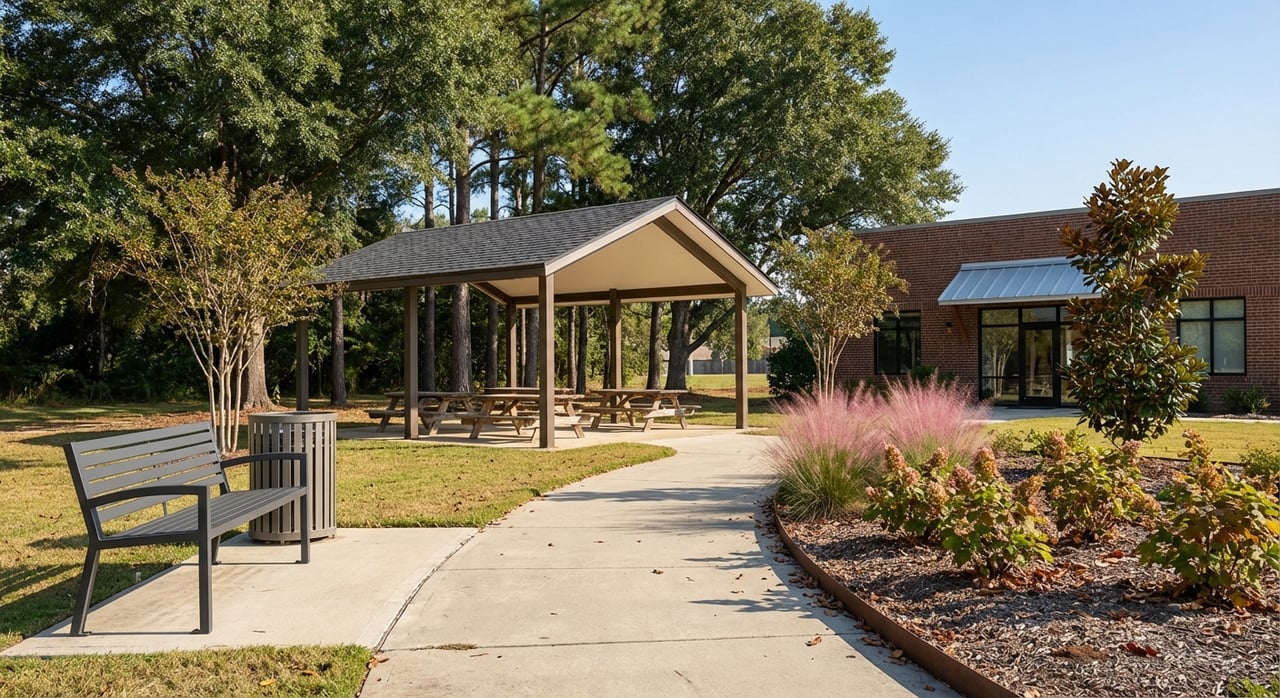
The standout outdoor destination is Clayton County International Park, known for trails and water activities connected to the 1996 Olympics legacy. You can explore small neighborhood parks and community recreation centers across the area for everyday play and fitness. History buffs enjoy the Road to Tara Museum and Stately Oaks, which anchor downtown’s historic character. Throughout the year you can expect local festivals, farmers’ markets, and county-run events that bring neighbors together.
Housing and neighborhoods
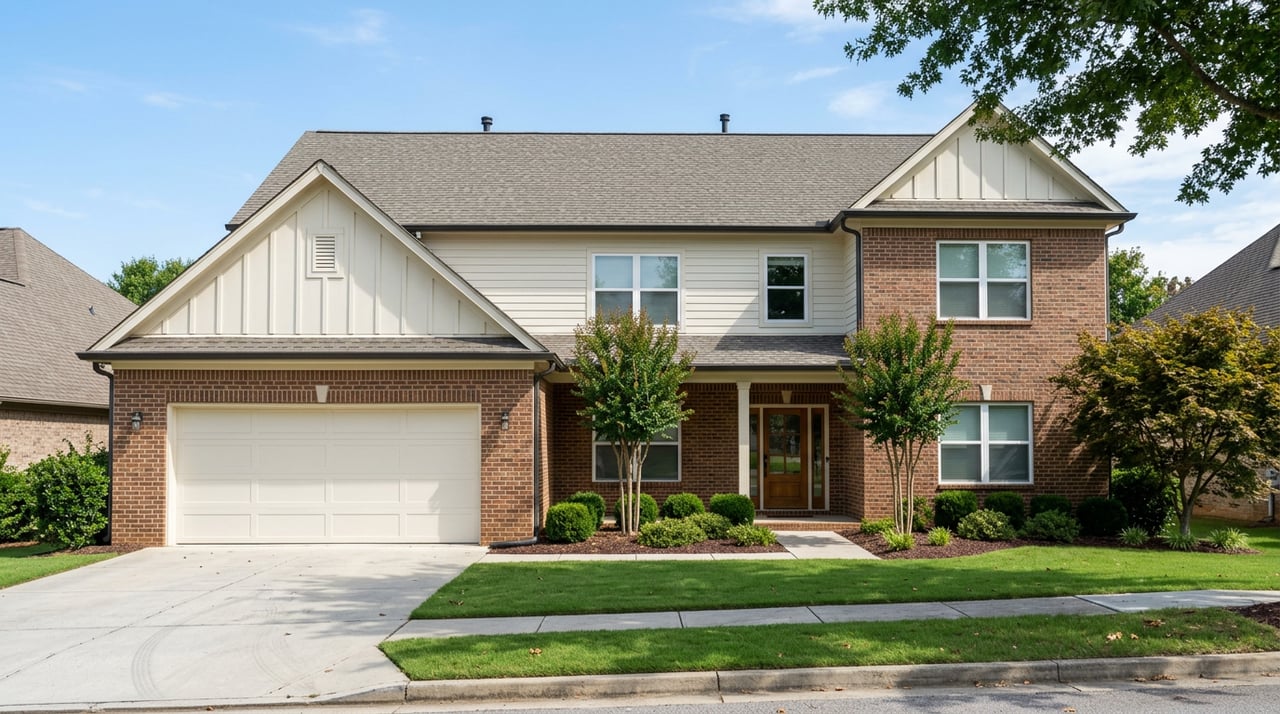
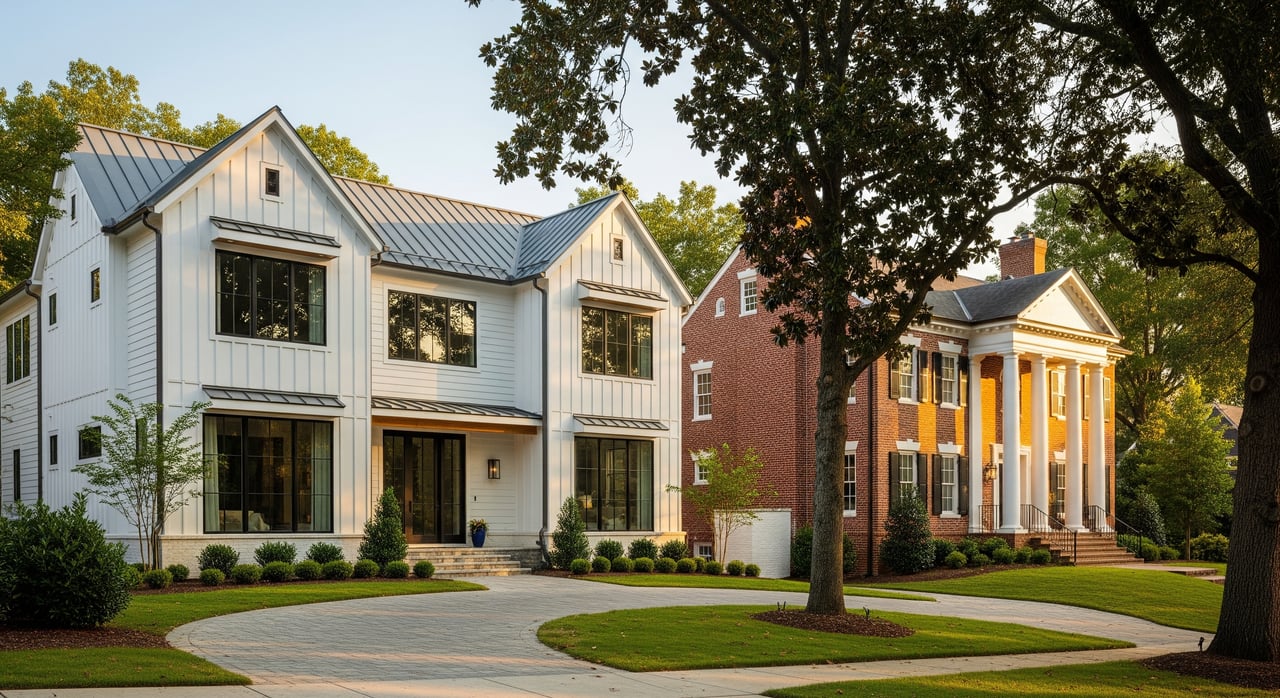
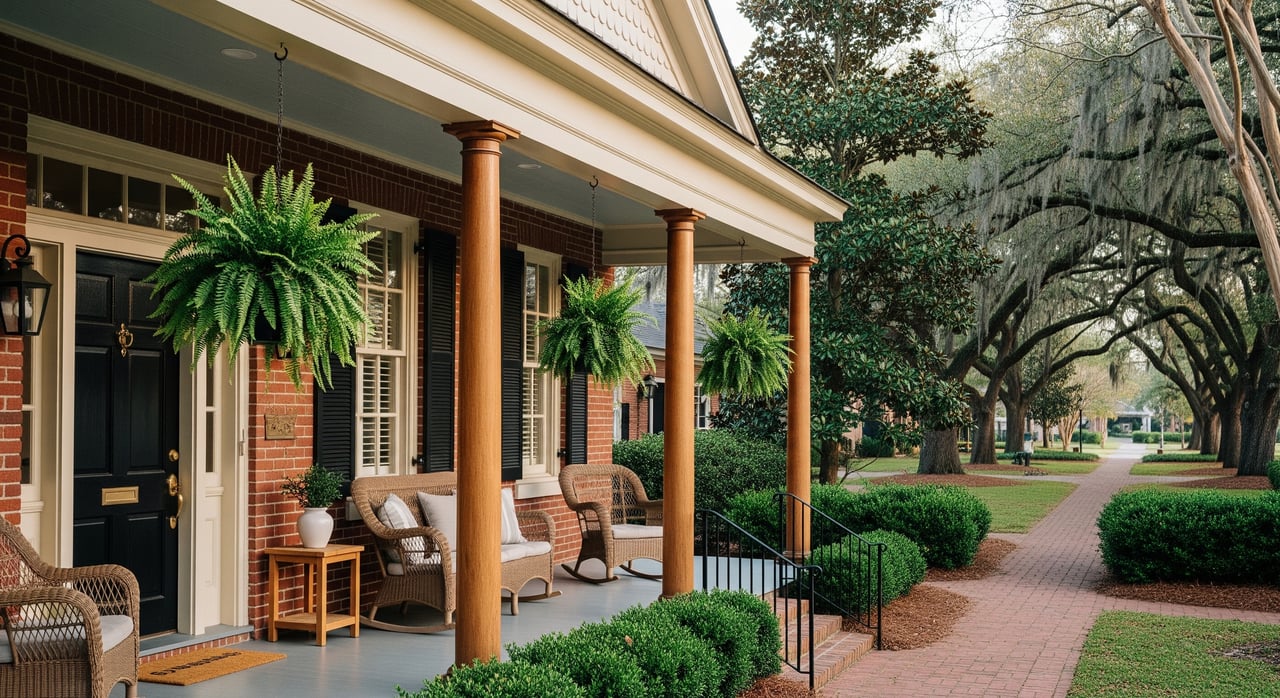
Close to downtown, you’ll see historic homes, cottages, and bungalows with mature trees and classic details. In surrounding neighborhoods, mid-century ranch homes and modest single-family houses are common, along with some townhomes and apartment communities. Newer infill and small subdivision developments exist, though Jonesboro is not a major new-build hub compared to fast-growing suburban edges. Some communities have HOAs, while many older streets are HOA-free.
Cost and value
In the context of the Atlanta metro, Jonesboro often offers more affordable purchase and rental options than many closer-in northern suburbs. Prices vary by street, home size, condition, and school zone, and they shift with market inventory. If you’re comparing a historic home to a newer build, factor in potential renovation or maintenance costs. Your budget typically stretches further here, which is part of the appeal for many buyers.
Everyday lifestyle signals
- Pace: A slower, suburban rhythm with school drop-offs and car trips for errands.
- Social life: Community gatherings, faith communities, and county events are common hubs.
- Outdoor time: Easy access to parks, historic sites, and nearby regional green spaces.
- Food and retail: Local eateries and shops downtown, with broader choices a short drive away.
Neighborhood fit and daily routines
Living near downtown usually means quicker access to civic services, local shops, and cultural sites. Outer neighborhoods tend to feel quieter and more car-dependent, sometimes with larger lots or newer homes. Safety considerations and school zones vary by area, so it’s smart to drive your target streets at different times of day. Match your routine to the location that fits your commute and weekend plans.
Settle in quickly: checklist
- Test your commute during rush hour from your top two neighborhoods.
- Call utilities and internet providers to confirm service options at a specific address.
- Map your nearest grocery, pharmacy, and urgent care for everyday readiness.
- Visit parks like Clayton County International Park to get a feel for outdoor time.
- Review school boundaries and programs if education is part of your decision.
- Compare older homes to newer builds with a simple maintenance plan and budget.
Is Jonesboro a fit for you?
If you want a suburban pace with local parks and history, plus the flexibility to reach Atlanta’s jobs and amenities, Jonesboro can be a smart match. You’ll likely trade some walkability for value and space, and you’ll lean on your car for most routines. With the right guidance, you can focus your search on streets and home styles that fit your day-to-day life.
Ready to explore homes, compare neighborhoods, or plan a sale and purchase move? With 25+ years of local experience, community leadership, and RE/MAX-backed resources, Latrice Mitchell will help you navigate every step with clear answers and a practical plan.
FAQs
What is the commute to Atlanta like from Jonesboro?
- Driving is common, with typical Atlanta-area rush-hour congestion; times vary widely by route and time of day, so check a mapping app during your usual travel window.
How are schools in Jonesboro and Clayton County?
- Public K–12 is administered by Clayton County Public Schools; families often review boundary maps and performance reports and may speak with local parents before choosing a neighborhood.
What parks and activities do residents enjoy?
- Clayton County International Park offers trails and water activities, and downtown historic sites like the Road to Tara Museum provide cultural options; county events run throughout the year.
What types of homes are common in Jonesboro?
- You’ll see historic cottages and bungalows near downtown, mid-century ranches and modest single-family homes in outer areas, plus some townhomes, apartments, and newer infill.
Is public transit available in Jonesboro?
- Transit exists but is more limited than intown Atlanta; regional commuter buses and local services operate on changing schedules, so verify routes and times from your specific address before relying on them.